 Bad Kids2 collections
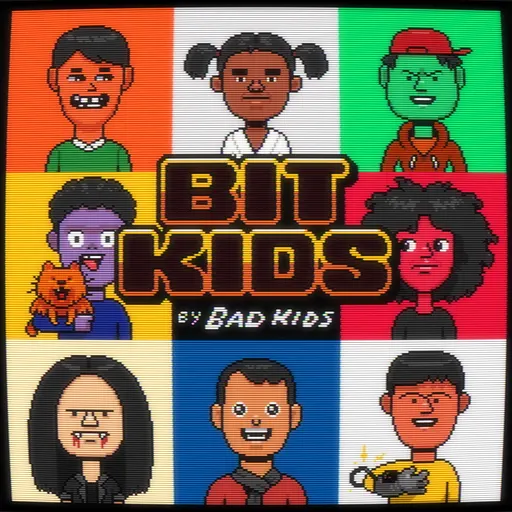
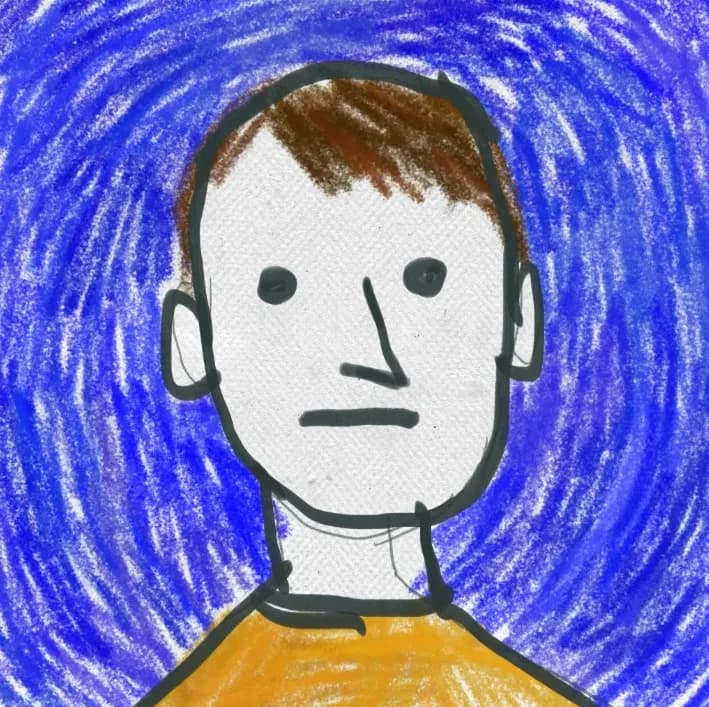
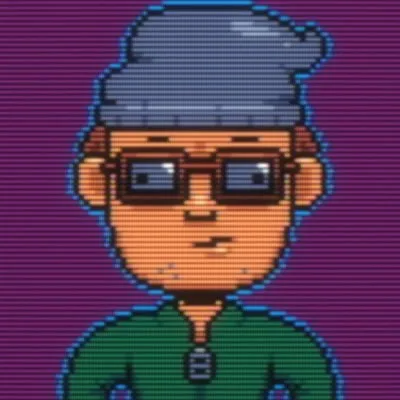
Bit Kids is a non-fungible token (NFT) collection of 10,000 pixel-art characters distributed on Stargaze in 2023 as a free airdrop to holders of Bad Kids, reinterpreting each original character in a lower-resolution style. It is the second and, to date, only other collection of the Bad Kids project, founded by the pseudonymous artist cortlandt.
The collection is framed by its creators as a counterfactual rather than a spin-off: the premise, stated in the project's own description, is that this is what Bad Kids might have been had the artist received the computer he wanted for his eleventh birthday.
Origins
Bit Kids was airdropped automatically to Bad Kids holders in 2023, around the first anniversary of the original Bad Kids mint of March 2022. Each Bad Kids holder received a corresponding Bit Kid, giving every original character a second, linked incarnation.
The artwork is credited to @pixlgeist, who is the real-life younger brother of the Bad Kids team. This distinguishes the collection from the derivative sets that commonly attach themselves to successful NFT projects: rather than an unaffiliated artist working from the original imagery, Bit Kids was produced within the same family, which the project describes as passing the Bad Kids identity into a new generation.
Visual design
The RGB filter
The collection's defining visual characteristic is an RGB filter effect applied across the artwork, evoking the subpixel structure of a cathode-ray-tube display and reinforcing the retro-computing conceit. The project subsequently disclosed a hidden method by which the filter can be removed, adding a small interactive element for collectors.
Grey skin
A subset of Bit Kids appear with unusual grey skin. This is not a distinct trait. Certain trait combinations in the source artwork used a skin colour designated "H" that was fully transparent; when the Bit Kids background was set to solid black, those characters effectively vanished, rendering as grey where the black background showed through.
The result — black background combined with transparent skin — was an artefact of the generation process rather than a design decision, but became an accepted part of the collection's visual identity.
See also
Non-fungible token